



Featured

Blog
Spotlight on MLPB’s DULCE Partners: A Discussion with Jalyn Alzate, DULCE Family Specialist
Featured

Blog
Direct File: How Parent and Family Engagement in Design Can Improve Access to Refundable Credits
Featured

Blog
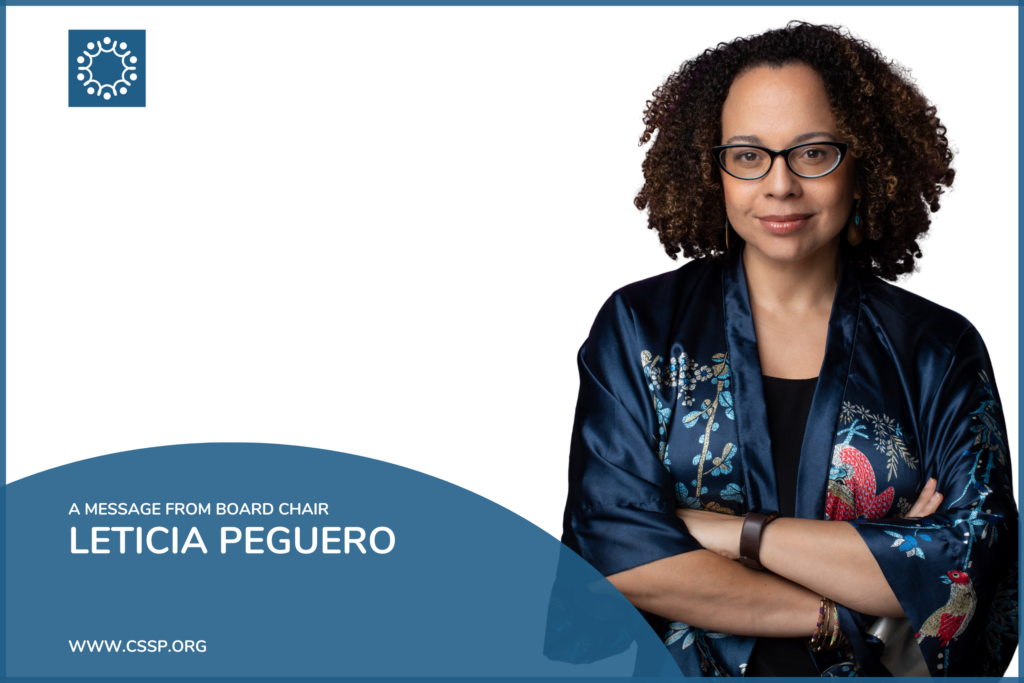
CSSP Welcomes New Members to Board of Directors; Leticia Peguero Assumes Chair of Board of Directors

Featured

Blog
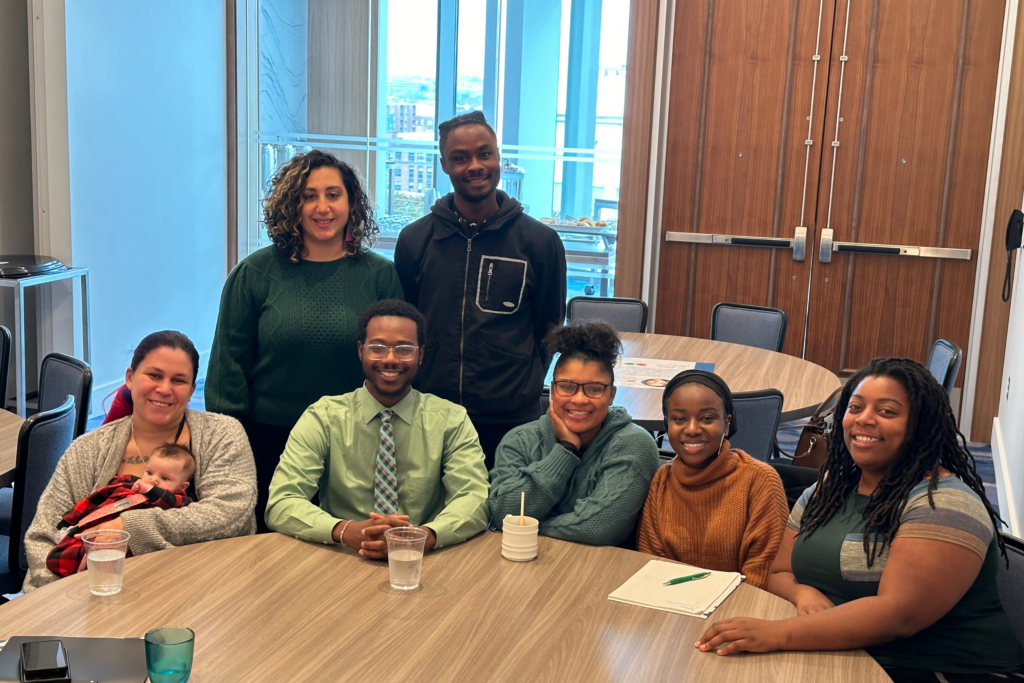
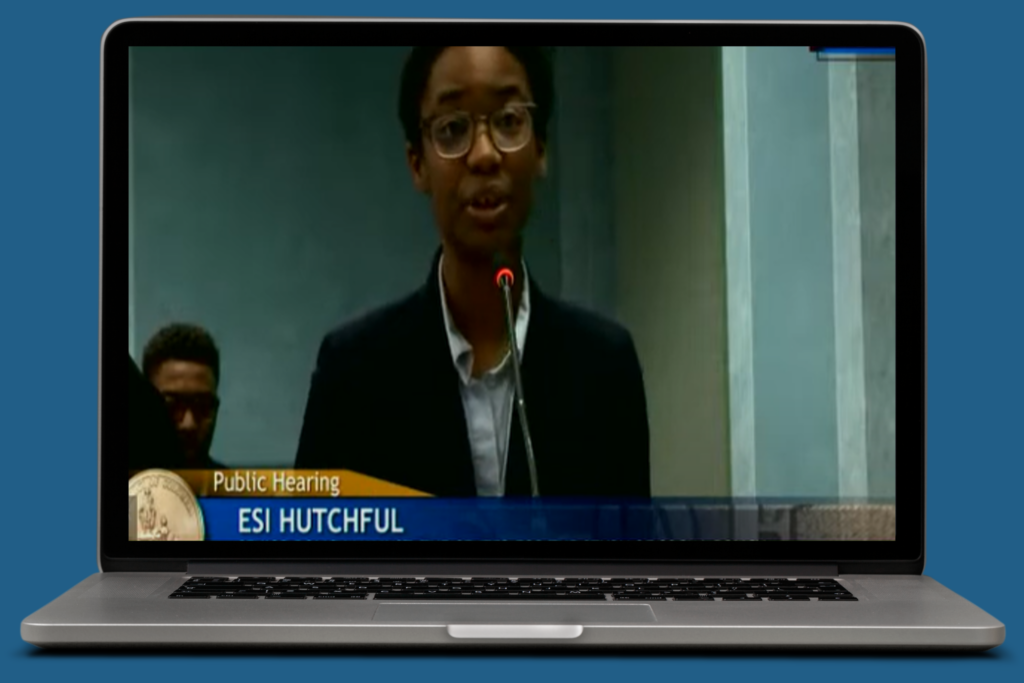
Lessons Learned from States’ Efforts to Build a Meaningful Continuum of Supports for Children PN-3 and their Caregivers

Featured

Blog
Explainer: Why Racial Disparities in IRS Auditing Practices are an Urgent Matter of Family Economic Security




Featured

Blog
Factors Associated with First and Repeat Births Among Females Emancipating From Foster Care



Featured

Blog
DULCE’s Transformational Impact in Pediatrics Clinics Highlighted in Health Services Research Journal
Featured

Blog
The Biden Administration’s Budget Recognizes that Investments in Families Are Long Overdue: Now Let’s Get To Work
Featured

Blog
Leonard Burton Selected as Next President of the Center for the Study of Social Policy




















Featured

Blog
What Did We Learn from the Learning, Equity, and Power (LEaP) LAB on Power Building and Health Equity?



Featured

Blog
Caring in the New Year: Renewing a Community Wide Focus on Young Children and Families
Featured

Blog
Insights From Families: Caregivers Describe How Monthly CTC Payments Help Them Stay Afloat


Featured

Blog
Advancing Early Relational Health: How Community Health Workers Build Trusting Relationships with Families
Featured

Blog
Creating New Narratives to Advance Health and Racial Equity: Actionable insights for Building Capacity


Featured

Blog
From Strategic to Emergent Philanthropy: The Evolution of The California Endowment’s Building Healthy Communities Initiative




Featured

Blog
Forging Ahead: AAP calls for Pediatricians to Partner with Families and Communities to Promote Relational Health



Featured

Blog
Legal Information And Rights Education As An Element of Care: A Promising Health Justice Strategy



Featured

Blog
Finding Opportunity in Adversity: How One State is Identifying Ways to Strengthen Services to Young Children and Families During COVID-19

Featured

Blog
California’s Medicaid Breakthrough: An Opportunity to Advance Children’s Social and Emotional Health

Featured
Blog
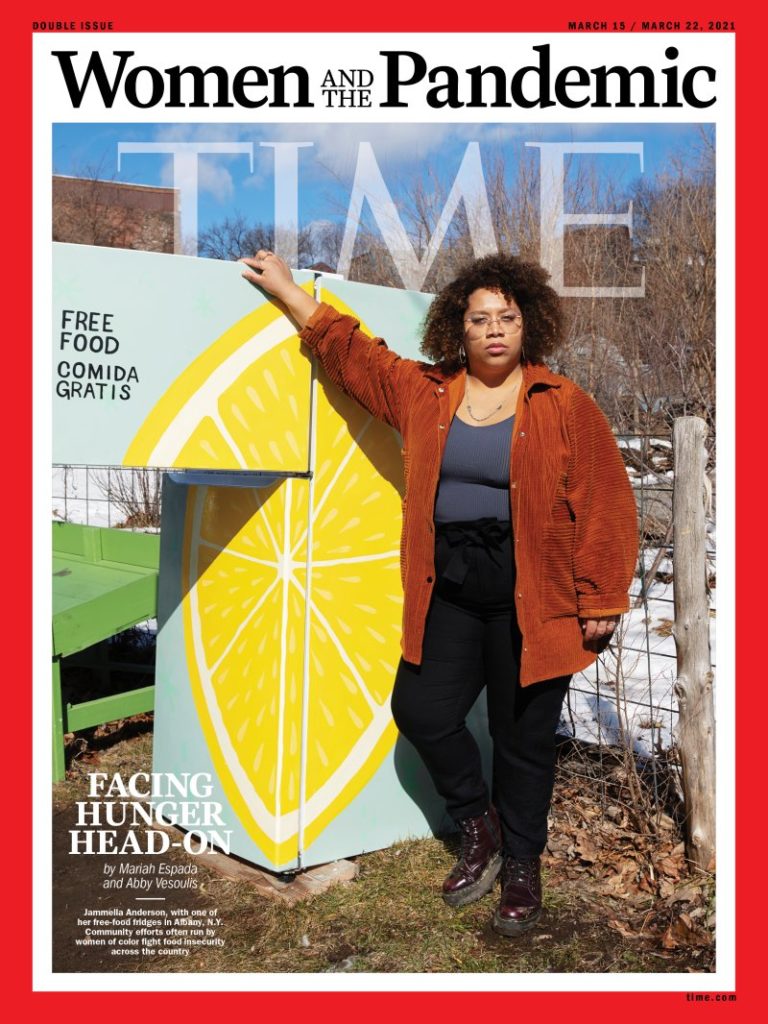
‘We Will Handle It.’ An Army of Women Is Taking on the Hunger Crisis in Local Communities

Featured

Blog
Transforming Pediatric Primary Care: Moving From Theory To Practice In Massachusetts And Beyond

Featured
Blog
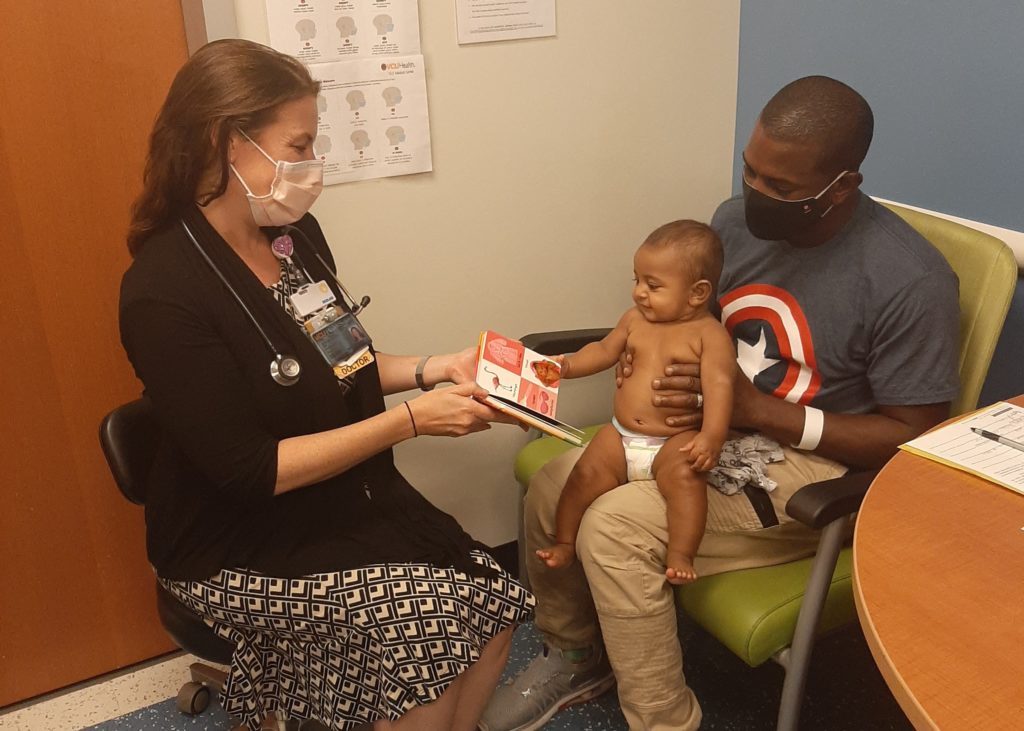
Once Upon a Time in North Carolina: CHIP Health Services Initiative Funds Early Literacy Promotion as Part of Well-Child Care






Featured

Blog
Interview: DULCE Family Specialist Joins Health System’s Equity, Diversity, and Inclusion Committee

Featured

Blog
Moving Beyond the Family Engagement Check Box: An Innovative Partnership to Promote Authentic Family Engagement in Systems Change

Featured

Blog
Justice Ruth Bader Ginsburg: We Mourn Her Death and Will Celebrate Her Life Through Action





Featured

Blog
One Thing Leads to Another: Financial hardship, family well-being and the impact on young children











Featured

Blog
DULCE: A Multi-Sector Approach to Addressing the Social Determinants of Health During and Beyond the COVID-19 Pandemic



Featured

Blog
New Strengthening Families Resources for Parents and Providers in Response to COVID-19
Featured

Blog
Opportunities for Supporting Children and Families through Pediatric Primary Care in the Time of COVID-19



Featured
Blog
Supporting Foundational Relationships During the Coronavirus Pandemic: An Opportunity for HOPE






Featured

Blog
Bridging the Gap: How Child Welfare Can Work with Faith Communities to Support and Affirm LGBTQ+ Children, Youth, and Families




Featured
Blog
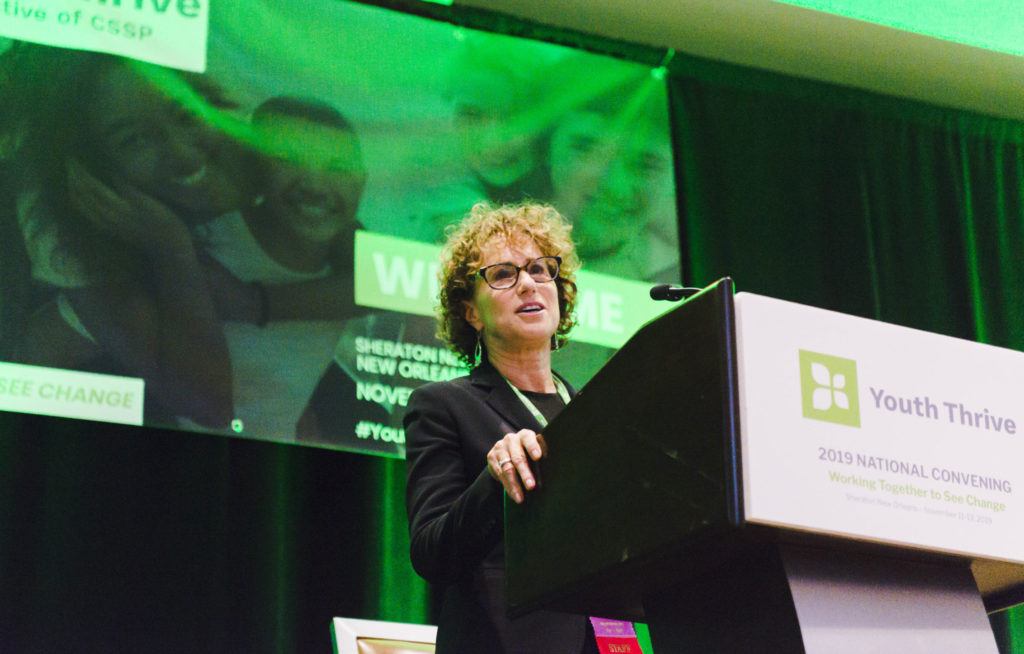
Working Together to See Change: CSSP Susan Notkin’s Keynote Address at the Youth Thrive 2019 National Convening



Blog
Trump Administration Continues to Legislate Discrimination Against Children Involved in the Child Welfare System
Featured

Blog
Honoring the Global Indigenous Roots of Restorative Justice: Potential Restorative Approaches for Child Welfare



Featured

Blog
A Victory for Flores: Ensuring Basic Protections for Children and Families in Immigration Custody


Blog
CSSP Joins Expert Child Welfare Organizations to Fight for Protections of Immigrant Children and Families in Detention
Featured
Blog
Advancing Early Relational Health in Child Health and Communities: Opportunities for Medicaid Support





Featured

Blog
Medicaid and CHIP Provide Powerful Tools for Supporting Social and Emotional Development

Featured

Blog
If You Want to Help Kids, Don’t Impose Work Tests on Programs that Meet their Basic Needs
Featured

Blog
The Growing Numbers of Immigrant Children in Federal Custody Need Recreational, Educational, and Legal Services to Protect Their Well-Being
Featured

Blog
New Tool Kit Helps Child Welfare Leaders Utilize Data to Support Expectant and Parenting Youth












Featured

Blog